
Frequently Asked Questions

Home →
About Amin El Sharkawi →
Amin El Sharkawi answers FAQs

In The News →
Amin El Sharkawi featured in the news

Blog →
The blog of Amin El Sharkawi
What Are SDGs?
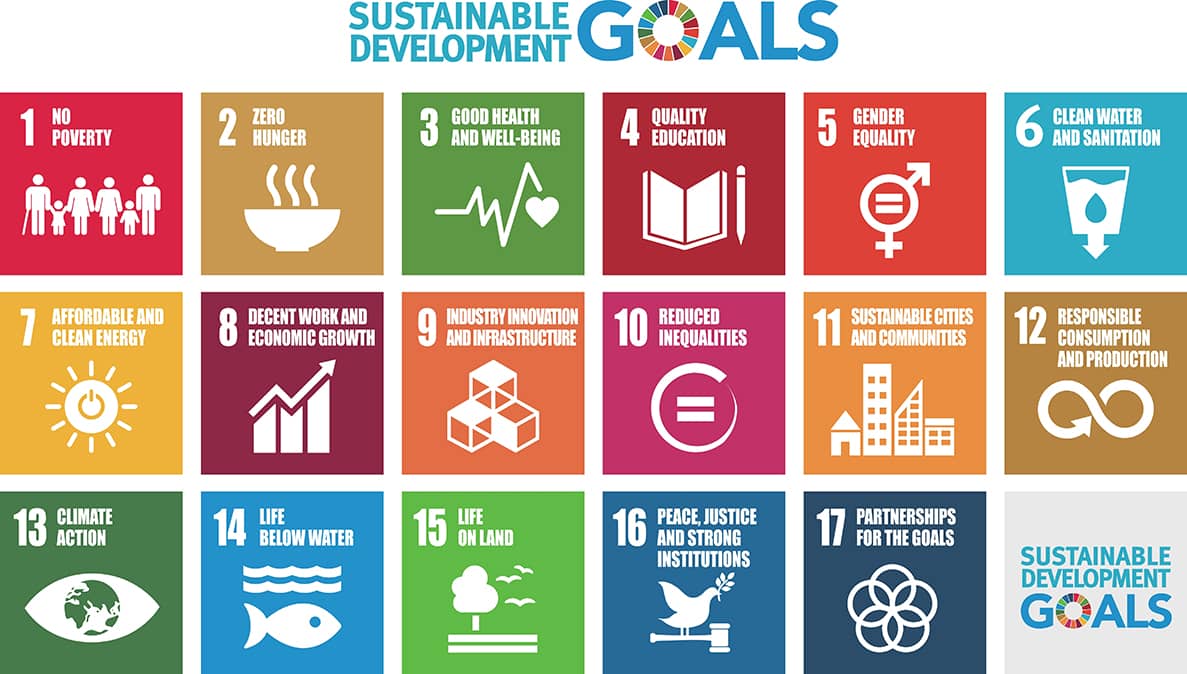
The SDGs (Sustainable Development Goals) were created by the UN in 2015 with the aim of emphasizing the interconnected nature of the environmental, social, and economic aspects of sustainable development. The overarching mission of the 17 goals, their targets, and indicators, together with Agenda 2030, is to create and ensure peace and prosperity, now and in the future, for people and the planet.
How Do the SDGs Relate to the UN’s Millennium Development Goals (MDGs)?
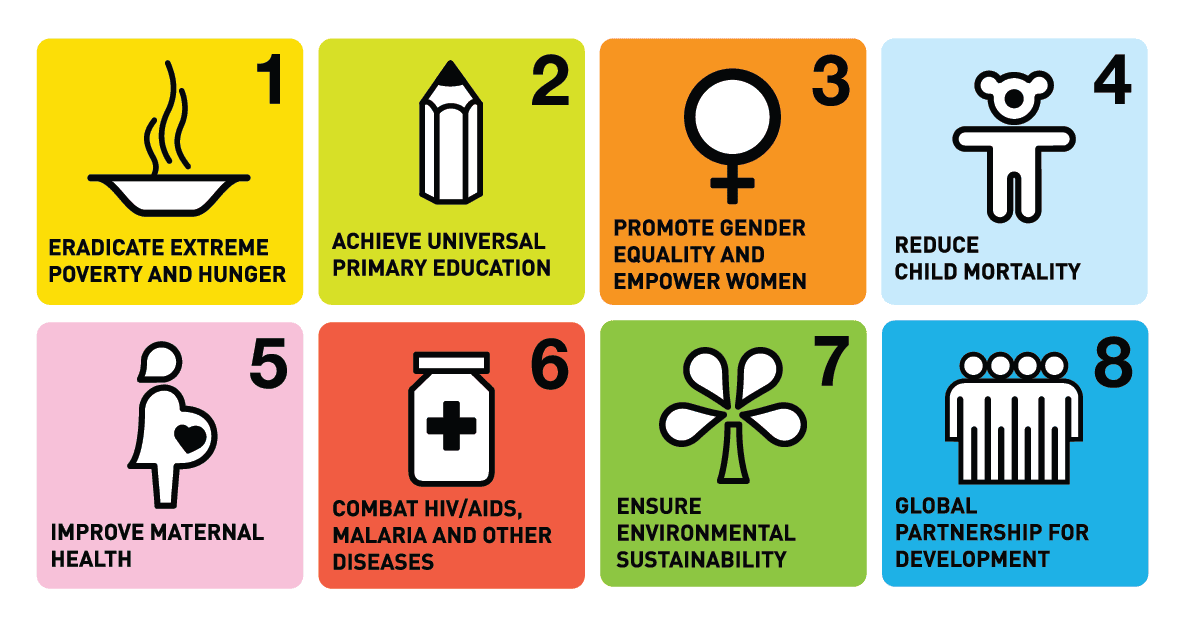
The SDGs replace and build on the success of the UN’s MDGs, which ran from 2000 to 2015. The SDGs encompass 17 goals with specific targets, asking all 193 UN member countries to work towards eradicating poverty, hunger, and lack of adequate shelter, while promoting education, gender equality, environmental sustainability, and more. In contrast, the MDGs were primarily focused on developing countries.
What Do the SDGs Aim to Tackle?
The SDGs provide a bold framework to transform our world by tackling 17 key areas. These include ending poverty and hunger, ensuring health and well-being, promoting gender equality, providing quality education, guaranteeing access to clean water and sanitation, delivering affordable and clean energy, fostering economic growth and decent work, and building sustainable infrastructure. Additionally, the SDGs address reducing inequalities, creating sustainable cities, ensuring responsible consumption, protecting life on land and below water, taking urgent climate action, promoting peace and justice, and strengthening global partnerships.
What Is the Life on Land SDG About?
The Life on Land SDG regards the protection and restoration of terrestrial ecosystems and the promotion of sustainable use regarding these ecosystems. Combating desertification, sustainably managing forests, and halting biodiversity loss come within the remit of this SDG.
Renewable energy and decarbonization are important for achieving this SDG:
• Reducing Climate Impacts: Climate change, driven by greenhouse gas emissions, is a major threat to terrestrial ecosystems. Decarbonizing our energy systems reduces these emissions, which helps mitigate the effects of climate change like droughts, extreme weather events, and habitat loss.
• Protecting Biodiversity: Land use for fossil fuel extraction and related infrastructure directly contribute to deforestation and habitat destruction. Shifting to renewable energy sources reduces the need for this type of land use.
• Cleaner Air and Water: Fossil fuel production and use often lead to air and water pollution. Transitioning to renewable energy sources will improve air and water quality, which positively impacts the health of ecosystems and the species that depend on them.
What Is the SDG Report?
The SDG Progress Report is published annually to provide an overview of the world’s implementation efforts to date, highlighting both areas of progress and where further action needs to be taken. The reports are prepared by the UN Department of Economic and Social Affairs with input from a wide range of UN entities, international organizations, experts, and civil society. Additionally, countries have the opportunity to submit Voluntary National Reviews (VNRs) outlining their individual progress towards the SDGs.
These national reports are important because they:
• Promote Accountability: VNRs allow countries to take ownership of their SDG implementation, fostering transparency and accountability for their actions.
• Identify Challenges and Successes: The reports help countries pinpoint specific areas where they’re excelling and where more focused efforts are needed.
• Facilitate Learning: By sharing experiences, countries can learn from each other’s best practices and avoid common pitfalls.
• Foster Collaboration: VNRs create a platform for dialogue and collaboration between governments, civil society, and other stakeholders, which is essential for achieving the SDGs.
What Progress Has Been Made to Date with the SDGs?
Some meaningful progress has been made with the SDGs to date. Compared to the start of the millennium, many individuals live healthier lives due to reductions in infectious diseases and childhood mortality. However, the speed of progress is uneven across different goals and across regions of the world. Areas such as poverty alleviation and reducing hunger, in particular, need accelerated action to meet the 2030 target. Additionally, the worsening impacts of climate change threaten to derail progress in multiple areas, highlighting the need for urgent climate action. Harnessing technological innovation will be crucial for finding solutions and scaling up efforts to achieve the SDGs.